
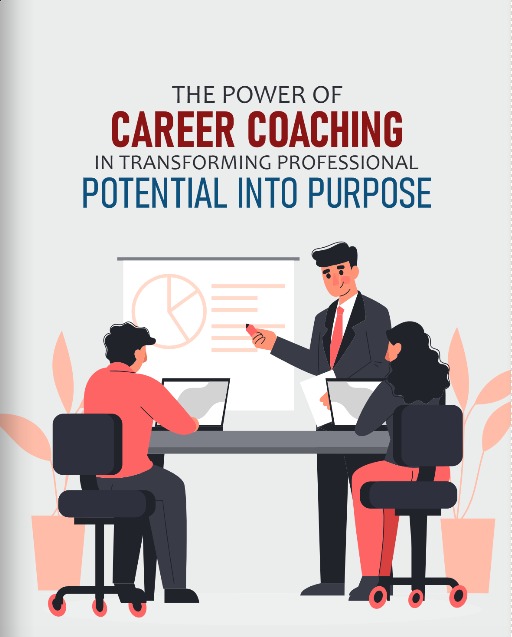
Ambition is rarely the problem. Across industries, professionals have goals they want to pursue, skills they hope to develop and opportunities they believe could change their careers. Some want to move into leadership. Others are preparing for a career transition, considering entrepreneurship or searching for a role that offers greater responsibility and fulfillment. Yet having a clear desire for progress does not automatically make progress happen. Between knowing what we want and doing what is necessary to achieve it lies a difficult space filled with uncertainty, competing priorities and the fear of making the wrong decision.
The Gap Between Ambition and Achievement
This is where career coaching can offer a practical advantage. A visionary career coach helps professionals move beyond general aspirations and begin building a deliberate strategy for growth. Rather than treating career development as a matter of waiting for the right opportunity, coaching encourages individuals to understand their position, evaluate their options and take responsibility for the steps that shape their future.
The distinction is important. Ambition provides direction, but direction without action can remain little more than an idea. Purposeful action turns that idea into a process, giving professionals a clearer understanding of what they need to do, why it matters and how they will recognize progress.
“ Ambition provides direction, but direction without action can remain little more than an idea. Purposeful action turns that idea into a process, giving professionals a clearer understanding of what they need to do, why it matters and how they will recognize progress. — Phyllis J. Wright, PMP, Founder of Wisdom in Action Coaching
From Uncertainty to a Clear Strategy
Professional uncertainty often appears when several possibilities seem equally attractive or when the next step requires leaving a familiar environment. A capable employee may want to become a manager but feel unsure about demonstrating leadership potential. An experienced professional may want to enter a new industry but struggle to explain how their existing skills would transfer. Someone considering entrepreneurship may have a promising idea but lack clarity about the preparation required before taking a risk.
Each situation demands a different response, which is why effective career planning begins with understanding the individual circumstances rather than applying a universal formula. A career coach can help professionals examine their goals, identify constraints, assess available resources and compare possible routes forward. The result is a more grounded understanding of the opportunities available and the trade-offs each choice may involve.
Clarity does not mean every uncertainty disappears. It means uncertainty becomes easier to manage because decisions are connected to a reasoned plan. Instead of attempting to solve an entire career challenge at once, professionals can identify the next meaningful step and build from there. This approach makes even ambitious goals feel more manageable, particularly when progress requires patience and sustained effort.
Turning Skills Into Professional Value
One of the most common challenges in career development is recognizing the difference between possessing a skill and communicating its value. Professionals may have years of experience, strong technical knowledge and a record of successful work, yet struggle to explain how those qualities distinguish them from other candidates or prepare them for greater responsibility.
Career coaching can help individuals translate experience into a clearer professional narrative. This involves identifying achievements, understanding transferable capabilities and connecting past contributions with future opportunities. Instead of describing responsibilities alone, professionals learn to explain the problems they solved, the decisions they influenced and the value their work created.
This clarity can strengthen many aspects of career development, from interviews and professional networking to performance discussions and leadership opportunities. It can also reveal gaps that need attention. Someone aiming for a senior role may discover that technical expertise is already strong but strategic communication or people management requires further development. Another professional may recognize that their experience is valuable in a different industry, provided they learn the language and expectations of that market.
The goal is not to manufacture a polished image. It is to help people understand their actual value and communicate it honestly, confidently and effectively.
“ The goal is not to manufacture a polished image. It is to help people understand their actual value and communicate it honestly, confidently and effectively. — Phyllis J. Wright
Creating Habits That Sustain Progress
Career transformation is often described through dramatic moments: a new job, a promotion, a business launch or a major professional achievement. But the progress behind these milestones usually depends on ordinary actions repeated consistently. Learning a new skill, requesting feedback, building professional relationships and completing meaningful work may not feel extraordinary in isolation, yet these activities can gradually change a person's opportunities.
A practical career strategy therefore needs more than a final destination. It needs habits that support movement toward that destination. Breaking a large goal into smaller actions makes progress easier to begin and easier to review. It also helps individuals identify when a plan is unrealistic, when priorities need adjusting or when additional support would be useful.
Accountability can reinforce these habits. A structured coaching conversation provides an opportunity to review commitments, examine barriers and decide what should happen next. This process is particularly valuable when professionals are balancing career development with demanding jobs, family responsibilities or other competing priorities.
However, accountability should not be confused with constant pressure. Sustainable progress requires room for reflection, recovery and adjustment. A good strategy respects the individual's circumstances while keeping meaningful goals in view. The aim is not to remain busy at all times, but to ensure that effort is directed toward actions that matter.
Developing the Skills the Future Will Demand
The relationship between work, technology and professional expertise is changing rapidly. Artificial intelligence is influencing tasks across numerous occupations, while businesses are reassessing the skills required to remain competitive. In this environment, career security increasingly depends not only on what professionals know today but also on their willingness and ability to continue learning.
This does not mean every individual must become a technology specialist or pursue every emerging trend. It means understanding which developments are relevant to their field and making informed decisions about the capabilities they need. For some professionals, that may involve improving digital literacy. For others, it may mean strengthening analytical thinking, communication, creativity, leadership or the ability to work effectively across teams.
Career coaching can help make this development more intentional. By comparing current capabilities with the demands of a desired role, individuals can identify the skills most worth developing and avoid spending time on learning that does not support their objectives. A focused development plan can then connect learning with practical experience, allowing new knowledge to become a genuine professional capability.
Adaptability is particularly important during career transitions. People who understand their transferable strengths and remain willing to learn can approach change as a challenge to prepare for rather than a threat to avoid.
Building Confidence Through Action
Confidence often follows a different path from the one people expect. Many wait until they feel completely prepared before applying for a new role, pursuing a leadership opportunity or presenting an idea. Yet complete certainty rarely arrives, particularly when a decision involves unfamiliar responsibilities or the possibility of rejection.
In many cases, confidence develops through action rather than preceding it. A professional who begins networking may gradually become more comfortable discussing their ambitions. Someone who accepts a challenging assignment may discover capabilities that were previously untested. A person who receives constructive feedback can learn to treat it as useful information rather than a judgment of their worth.
A career coach can help individuals recognize this relationship between action and confidence. Rather than encouraging reckless decisions, coaching can support carefully considered steps that stretch existing capabilities without ignoring genuine limitations. Each experience becomes an opportunity to learn, adjust and strengthen professional judgment.
Setbacks are part of this process. An unsuccessful application, a difficult interview or a project that does not deliver the expected result can reveal areas for improvement. When setbacks are examined constructively, they become information that supports future decisions rather than reasons to abandon an ambition entirely.
Leadership Begins Before the Promotion
Career development is not limited to people seeking a new position. It also matters to professionals who want to become better leaders within their existing roles. Leadership is often associated with formal authority, but many of its most important qualities develop before someone receives a managerial title.
Taking responsibility, communicating clearly, supporting colleagues, handling disagreements constructively and making thoughtful decisions are all ways professionals can demonstrate leadership. These behaviors build trust and help individuals prepare for responsibilities that may come later.
Career coaching can help professionals recognize these opportunities within their current roles. Instead of waiting for an official promotion before developing leadership skills, they can seek projects that require collaboration, volunteer to solve problems or learn how to guide discussions more effectively. Such experiences create practical evidence of readiness while helping individuals understand which aspects of leadership they enjoy and where further development is needed.
Organizations also benefit when career development is approached this way. Professionals who understand their strengths and growth areas can take greater ownership of their development, while managers gain employees who are more deliberate about learning, contribution and future responsibilities.
Measuring Progress Beyond the Job Title
A successful career strategy needs meaningful measures of progress, but those measures should extend beyond titles and compensation. Professional growth can also be reflected in stronger capabilities, greater responsibility, improved decision-making, healthier working relationships and a clearer understanding of personal priorities.
For one individual, progress may mean securing a promotion. For another, it may mean gaining the confidence to change industries, becoming more effective in a current role or establishing a business with a realistic plan for growth. These outcomes differ, but each can represent meaningful movement when connected to the individual's goals.
Regular reflection helps professionals determine whether their actions are producing the results they intended. It also creates an opportunity to revise goals as circumstances change. A career plan should provide direction without becoming a rigid commitment to a future that may no longer fit.
The most effective career development is therefore both structured and flexible. It combines clear intentions with a willingness to learn from experience.
Making Purpose a Practice
The true value of career coaching lies in its ability to connect insight with execution. Understanding one's strengths matters. Defining a meaningful ambition matters. Recognizing the opportunities ahead matters. But these realizations become valuable when they influence the decisions people make and the actions they take.
A visionary career coach helps professionals create that connection. Through thoughtful questions, practical planning and ongoing reflection, coaching can support individuals as they navigate uncertainty, strengthen their capabilities and make more deliberate choices about their working lives.
Ultimately, a meaningful career is not built through ambition alone. It develops through the relationship between what a person wants, what they are willing to learn and what they consistently choose to do. Progress may be gradual, and the destination may change, but each considered action can bring a professional closer to a future that reflects their abilities and aspirations.
Purposeful action is not about moving quickly in every direction. It is about understanding which direction matters, having the courage to begin and remaining willing to adapt along the way. That is how potential becomes progress, how ambition becomes achievement and how a career becomes something more than a series of professional milestones. It becomes a journey shaped by intention, strengthened through action and guided by a clearer sense of purpose.
Strategic Directives • Phyllis J. Wright, PMP
“Ambition provides direction, but direction without action can remain little more than an idea. Purposeful action turns that idea into a process.”
“The goal is not to manufacture a polished image. It is to help people understand their actual value and communicate it honestly, confidently and effectively.”
“Purposeful action is about understanding which direction matters, having the courage to begin and remaining willing to adapt along the way.”
Phyllis J. Wright, PMP
Founder & Executive Career Coach | Wisdom in Action Coaching Ocala, Florida, USAGuiding Creed: “Leadership begins before the promotion. Real progress is built through everyday deliberate actions.”